
























Weighted Vest Training
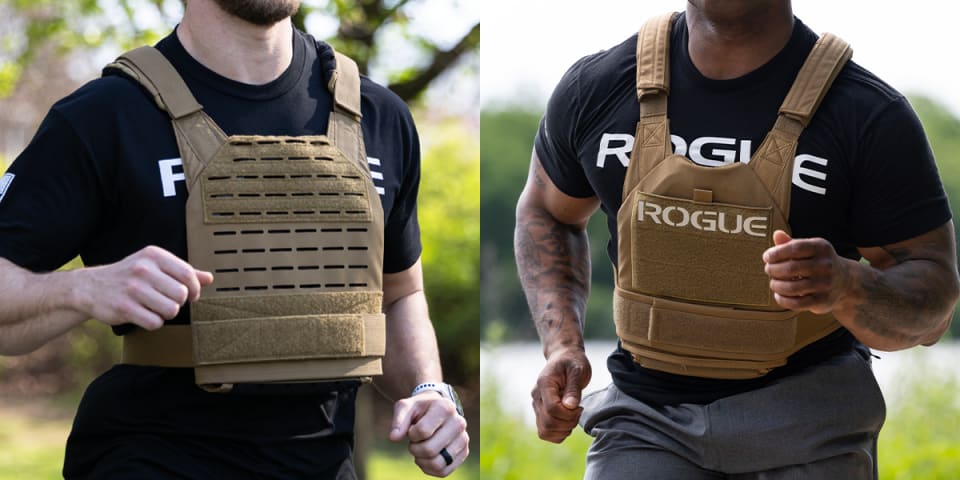
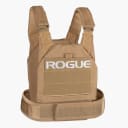
Weighted vest training has its roots in military preparation, where soldiers trained while carrying the same types of loads they would encounter in the field. Marching, running, and performing drills under load helped develop load-bearing endurance and prepare the body for sustained movement. Today, weighted vests bring that same basic training principle to athletes and everyday trainees, adding external resistance without changing the fundamental movement pattern. Rogue offers a range of weighted vests, including the Rogue Echo Vest and MOLLE Plate Carrier, designed for different training demands and load configurations.
Explore the full Rogue weight vest lineup to find the best vest for your training.
Weighted Vest Training at a Glance
- Adds load to bodyweight movements
- Improves strength, endurance, and durability
- Simple, portable, and scalable
- Effective for conditioning and daily movement/li>
Why Weighted Vest Training Matters
Originally used to build durability and power, weighted vest training gained mainstream popularity through functional fitness and workouts like the CrossFit Hero workout Murph. Murph consists of a one-mile run, 100 pull-ups, 200 push-ups, 300 air squats, and another one-mile run, traditionally performed wearing a 20-pound vest for men or 14 pounds for women. This workout highlighted how effective a weighted vest can be for increasing training intensity while maintaining simple, repeatable movements.
Why It Works
- Mimics real-world load carriage
- Progresses bodyweight movements safely
- Builds strength without complex equipment
- Transfers to sport and daily life/li>
Benefits of Weighted Vest Training
Adding a weighted vest to bodyweight movements allows athletes to progress exercises without barbells, machines, or complex setups. The load is evenly distributed across the torso, encouraging better posture and full-body engagement while keeping movements natural and controlled.
What You Gain
- Increased muscle strength and stamina
- Improved bone density
- Higher calorie burn during walking and running
- Better posture and core engagement/li>
How to Use a Weighted Vest
Weighted vests are highly portable and require minimal space, making them ideal for training at home, outdoors, or while traveling. A vest can live in your car or gym bag and be used whenever an opportunity to train presents itself.
How to Apply It
- Add load gradually over time
- Use movements you already perform well
- Keep technique strict and controlled
- Prioritize consistency over max weight/li>
Effective Weighted Vest Exercises
Walking or Light Rucking
Start with 20 minutes of weighted walking and build toward 60 minutes over time. Begin with roughly 5 to 10 percent of bodyweight and increase gradually as your body adapts.
Why It Works
- High benefit-to-risk ratio
- Builds aerobic base and bone density
- Easy to recover from and scale
Push-Ups
One of the safest ways to load the upper body. Weighted push-ups build the chest, shoulders, triceps, and core without stressing the joints.
Pull-Ups and Chin-Ups
An effective progression once strict pull-ups are solid. A vest keeps the hands free and allows for small, controlled weight increases, often in 5-pound increments.
Squats
Allows lower-body progression without a barbell. Tempo squats, pause squats, and higher-volume sets are effective ways to increase difficulty while maintaining good movement quality.
Stairs, Step-Ups, and Lunges
Highly effective for conditioning and aerobic development. Unilateral movements help address strength imbalances while building stamina and work capacity.
Best Anywhere Movements
- Walking or light rucking
- Push-ups
- Pull-ups or chin-ups
- Squats and tempo squats
- Stair climbing, step-ups, or lunges
Long-Term Value of Weighted Vest Training
Weighted vest training is a simple and effective way to increase training intensity without adding complexity or specialized equipment. By gradually progressing load or volume over time, it can enhance daily walking, conditioning sessions, and bodyweight strength work while keeping impact and joint stress low. When used consistently and with good movement quality, weighted vest training builds durability, strength, and endurance that carry over to sport, work, and everyday life.