
























How to Do Rack Pulls for Strength & Power
Rack pulls are a partial-range deadlift variation performed with the bar elevated above the floor. By changing the starting position, lifters can place more emphasis on the upper portion of the deadlift while still training the hips, back, and grip to move heavy loads.
Rack pulls can be used to build strength through the lockout, practice handling heavy weights, and add targeted work to a strength program. The exact demands of the movement depend largely on where the bar starts, making the setup an important part of the exercise.
What Is a Rack Pull?
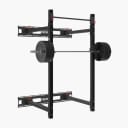
A rack pull is a barbell deadlift performed with the bar resting on the safety pins, straps, or spotter arms of a power rack rather than starting on the floor. You can also perform the same movement outside of a rack with something like jerk blocks.
The elevated starting position reduces the range of motion and allows the lifter to begin with the bar closer to the knees or upper shin. This changes the mechanics of the movement and allows more attention to be placed on the middle and upper portions of the deadlift.
The higher starting position can also allow lifters to handle more weight than they would use for a conventional deadlift. That makes rack pulls useful for overload work, but the additional weight should not come at the expense of positioning or control.
Starting height matters. A rack pull performed just below the knee has different demands than one performed from mid-thigh. Lower positions involve more of the deadlift, while higher positions increasingly emphasize the final portion of the pull and lockout.
How to Do a Rack Pull
Set the barbell in a power rack at the desired height. For a traditional rack pull, the bar is commonly positioned around the lower portion of the knee, although the exact height can be adjusted based on the purpose of the movement.
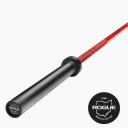
For heavy rack pulls, the Rogue Ohio Power Bar is a natural fit. Designed specifically for powerlifting, the Ohio Power Bar features a 29MM shaft with minimal flex and a deep knurl designed for heavy pulls. It is built around the demands of the squat, bench press, and deadlift, making it particularly well suited to heavy rack-pull work.

Setup
- Position the barbell on the rack’s safety pins or spotter arms.
- Stand with your feet approximately hip-width apart, with the bar over the middle of your feet.
- Bend at the hips and knees to reach the bar while maintaining a flat back.
- Take your normal deadlift grip, with your hands positioned just outside your legs.
- Set your back angle and brace your core before starting the lift.
- Take the slack out of the bar and establish tension before lifting.
Execution
- Drive through the feet while extending your knees and hips.
- Keep the bar close to your body as it travels upward.
- Continue extending the hips as the bar passes the knees.
- Finish the repetition by standing tall with the hips fully extended.
- Lower the bar under control back onto the pins.
- Reset your position before beginning the next repetition.
The rack pull should still look like a deadlift. Avoid leaning backward at lockout or using excessive momentum to move the bar. The goal is to produce force through the hips while maintaining a strong, controlled position throughout the movement.
Why Do Rack Pulls?
Rack pulls can be useful when a lifter wants to place more training emphasis on the upper portion of the deadlift, such as the strength to complete the lockout of the deadlift.
Train the Deadlift Lockout
Because the bar begins above the floor, the rack pull removes much of the initial range of motion from the deadlift. This allows the lifter to focus on the portion of the movement from around the knees through full hip extension.
For lifters who struggle to finish a deadlift once the bar passes the knees, rack pulls provide a way to train that portion of the pull directly.
Handle Heavier Loads
The shortened range of motion can allow lifters to work with loads heavier than those typically used for a full-range deadlift.
This makes rack pulls useful for developing familiarity with heavier weights while practicing the bracing, grip, and upper-body control required to keep the bar moving in a strong position.
Heavier does not automatically mean better, however. The load should still allow the lifter to maintain consistent technique and control.
Reinforce Position and Bar Path
A good rack pull requires the bar to stay close to the body while the lifter coordinates hip and knee extension. Starting from the rack can make it easier to focus on this portion of the pull without the additional demands of breaking the bar from the floor.
Rack Pull Starting Positions
The height of the bar changes the movement significantly.
Below the Knee
Starting the bar below the knee provides the greatest range of motion of the common rack-pull variations.

This position retains more of the conventional deadlift movement while reducing the distance the bar has to travel from the floor. It can be useful for lifters who want to emphasize the transition through the knee while still training a substantial portion of the pull.
Around the Knee
A bar position around knee height places more emphasis on the middle and upper portions of the deadlift.

This is a common setup for rack pulls because it provides enough range of motion to require substantial hip extension without starting from the floor.
Above the Knee
Starting above the knee significantly shortens the range of motion and places greater emphasis on the final portion of the deadlift.

This position can be useful for heavy overload work, but it should not be treated as a direct replacement for full-range deadlifts. The shortened movement removes much of the work performed from the floor.
Common Rack Pull Mistakes
Rack pulls are relatively simple to perform, but the reduced range of motion can make it tempting to rely on the weight rather than the movement.
Setting the Bar Too High
A rack pull from high on the thighs becomes a very short movement. While this can have a place in an overload-focused program, it provides less practice with the positions and range of motion required for a conventional deadlift.
Choose the starting height based on the purpose of the exercise rather than simply selecting the highest possible position.
Leaning Back at Lockout
The repetition is complete when the hips are fully extended and the lifter is standing tall. Leaning backward does not add useful range of motion and can compromise position at the top of the lift.
Letting the Bar Drift Away
Keep the bar close to the body throughout the pull. A bar that moves away from the legs increases the demand on the back and can make it harder to maintain a strong pulling position.
Using More Weight Than You Can Control
Rack pulls often allow heavier loading than full-range deadlifts. That makes technique even more important.
Start with a load that allows consistent positioning and a controlled lockout. Increase the weight as the movement remains technically sound.
How to Program Rack Pulls
Rack pulls can be programmed as a supplemental deadlift movement or as part of an overload-focused strength session.
For strength work, heavier sets with relatively low repetitions can be used. For example:
- 3-5 sets of 3-5 reps: Strength-focused work
- 3-4 sets of 5-8 reps: Supplemental strength and volume – after a main lift
- Heavy singles or doubles: Advanced overload work when appropriate
The right loading scheme depends on the starting height, training experience, and role of the rack pull within the overall program.
Rack pulls generally work best when they complement, rather than completely replace, full-range deadlifts. Conventional deadlifts still train the lifter to produce force from the floor, while rack pulls can provide additional work through specific portions of the movement.
Rack Pulls vs. Deadlifts
The main difference between a rack pull and a conventional deadlift is the starting position.
A conventional deadlift begins with the bar on the floor and requires the lifter to produce force from the bottom of the movement. A rack pull begins with the bar elevated, reducing the range of motion and shifting more of the exercise toward the upper portion of the pull.
Neither variation is inherently better. They serve different purposes.
Use conventional deadlifts when you want to train the complete movement from the floor. Use rack pulls when you want to place additional emphasis on the upper portion of the pull, practice handling heavier loads, or add targeted supplemental work to a strength program.
Rack Pulls for Strength and Power
Rack pulls are primarily used as a strength exercise, but they can also be incorporated into programs focused on developing force production.
The shortened range of motion allows the lifter to concentrate on hip extension while maintaining a controlled bar path. When used appropriately, rack pulls can complement other deadlift variations, squats, Olympic lifts, and accessory work in a broader strength program.
For power-focused training, the emphasis should remain on moving the bar with intent rather than simply adding weight. A lighter, fast repetition performed with strong positioning can have a different purpose than a heavy rack pull performed as an overload movement.
Build Strength From Every Position
Rack pulls offer a straightforward way to change the starting position of the deadlift and target a specific portion of the lift. By adjusting the bar height, lifters can change the range of motion and the point at which the movement becomes most demanding.
Whether they’re used to strengthen the lockout, practice heavy pulls, or add supplemental deadlift volume, rack pulls are a useful tool for lifters who want to build strength beyond the floor.
The key is choosing the right starting height, maintaining sound deadlift mechanics, and using the movement for a specific purpose within the larger training program.